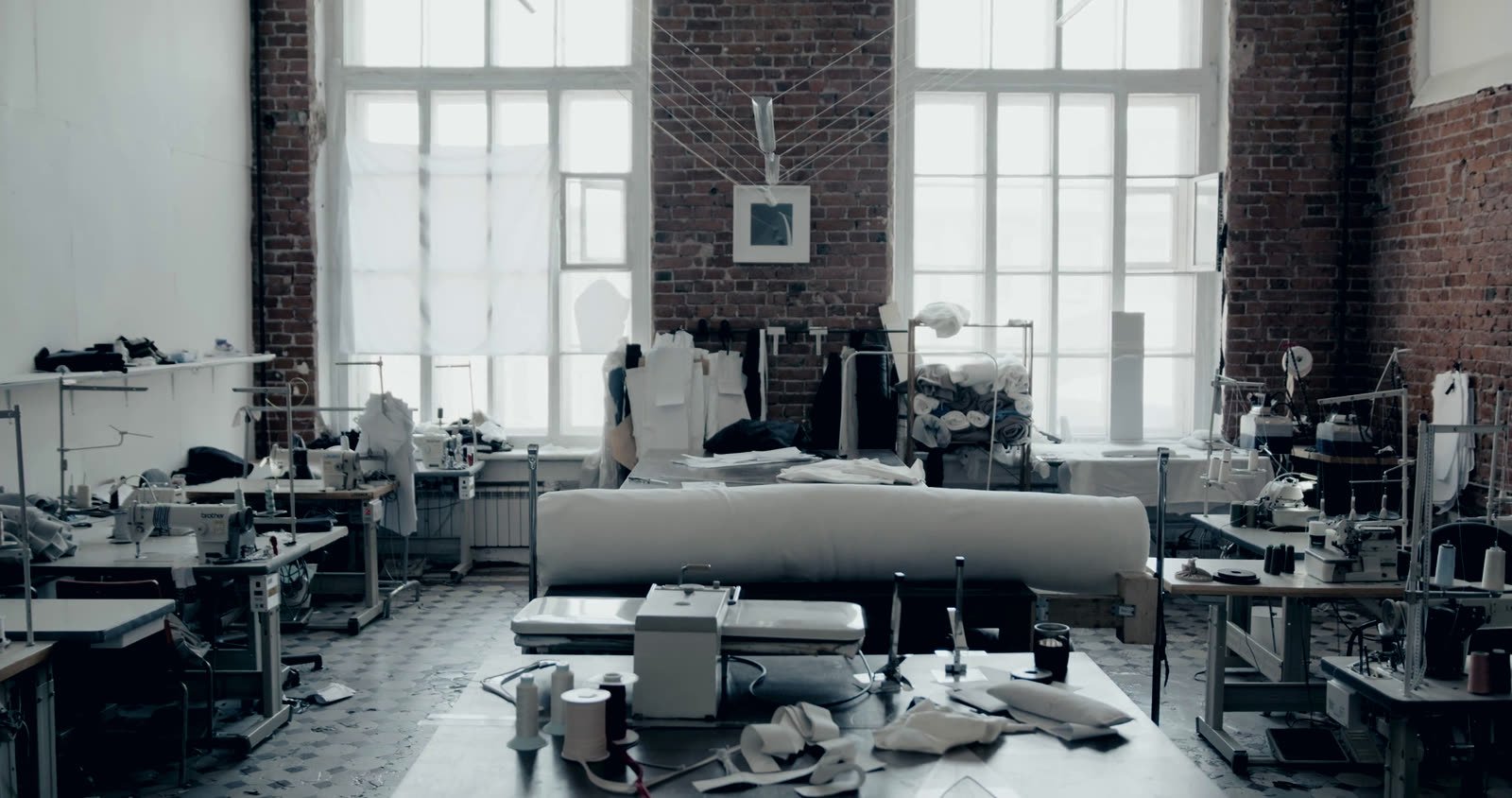
In menswear, two garments can look almost identical. The difference shows up not on the first wear but after the third wash: does the collar widen, does the body shorten, does the colour fade. We prefer to ask those three questions at the start of production.
Fabric selection
Every line is designed together with its own fabric. In a piqué knit, the yarn count and weight directly decide whether the collar stands upright; too fine a yarn adds lightness but loses shape early. With an oxford weave, the pronounced surface gives a shirt-like effect, so we build the pattern slightly more relaxed.
Viscose-linen blends bring coolness to the front, but a blend without elastane is prone to creasing. That is why in our summer crew neck line we keep the elastane ratio at a level that does not disturb the drape. In fine knit, the density of the knit gives a hand that can be worn on its own between seasons.
Pattern and cutting
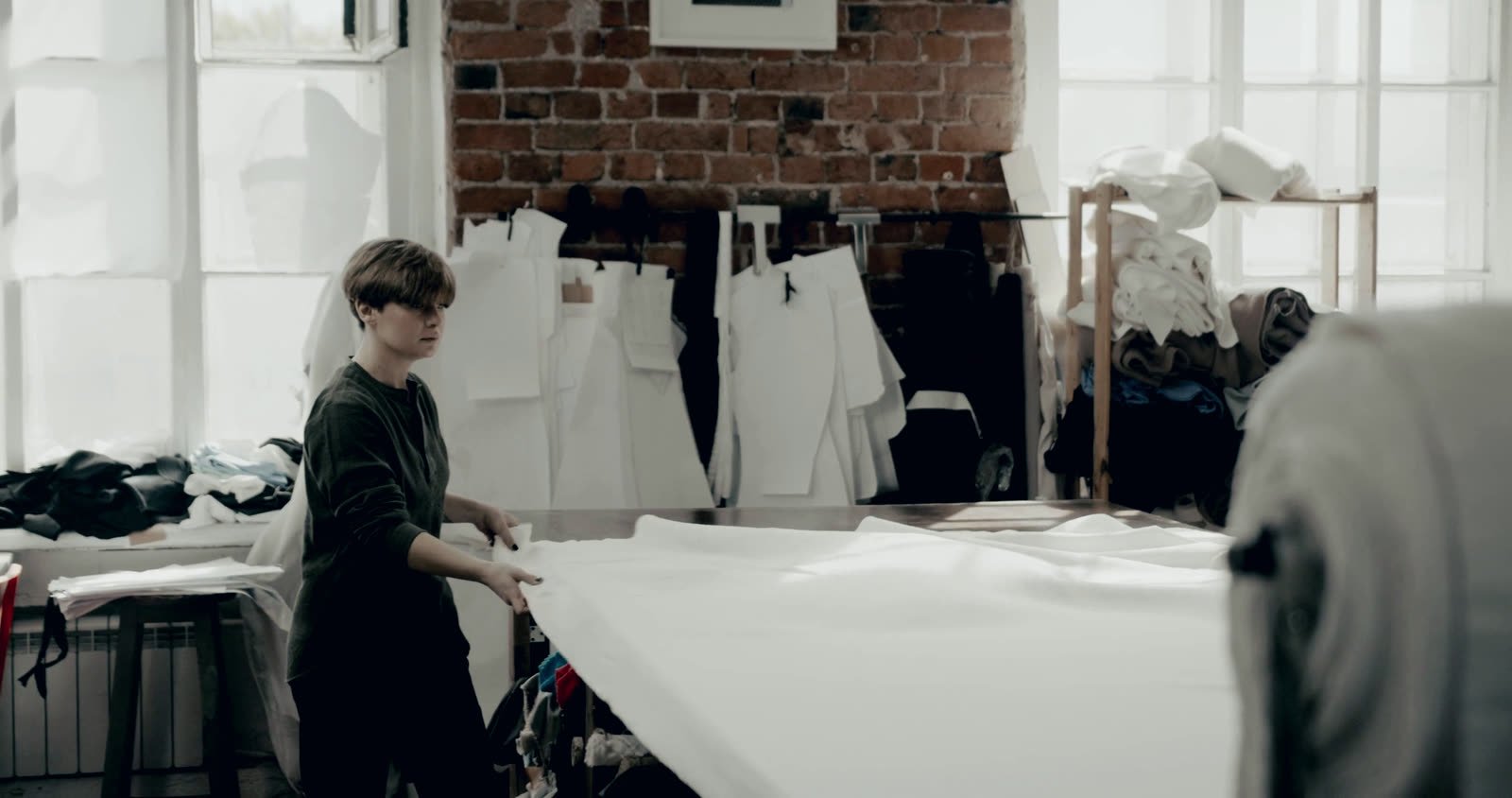
Once the pattern is drafted, the first sample is sewn and fitted on a mannequin. Shoulder slope, sleeve length and body width settle at this stage. After approval the marker is prepared; before spreading, the fabric is rested for a while, because fabric just unrolled from the bolt relaxes after cutting and loses measurement.
The allowance left per size is verified one by one. A deviation of a few millimetres goes unnoticed in small sizes, while the same deviation becomes noticeable around the collar in 2XL, which is why we increase inspection frequency in larger sizes.
In any line, the size that gets returned most is usually the size the pattern was tried on least.
Sewing
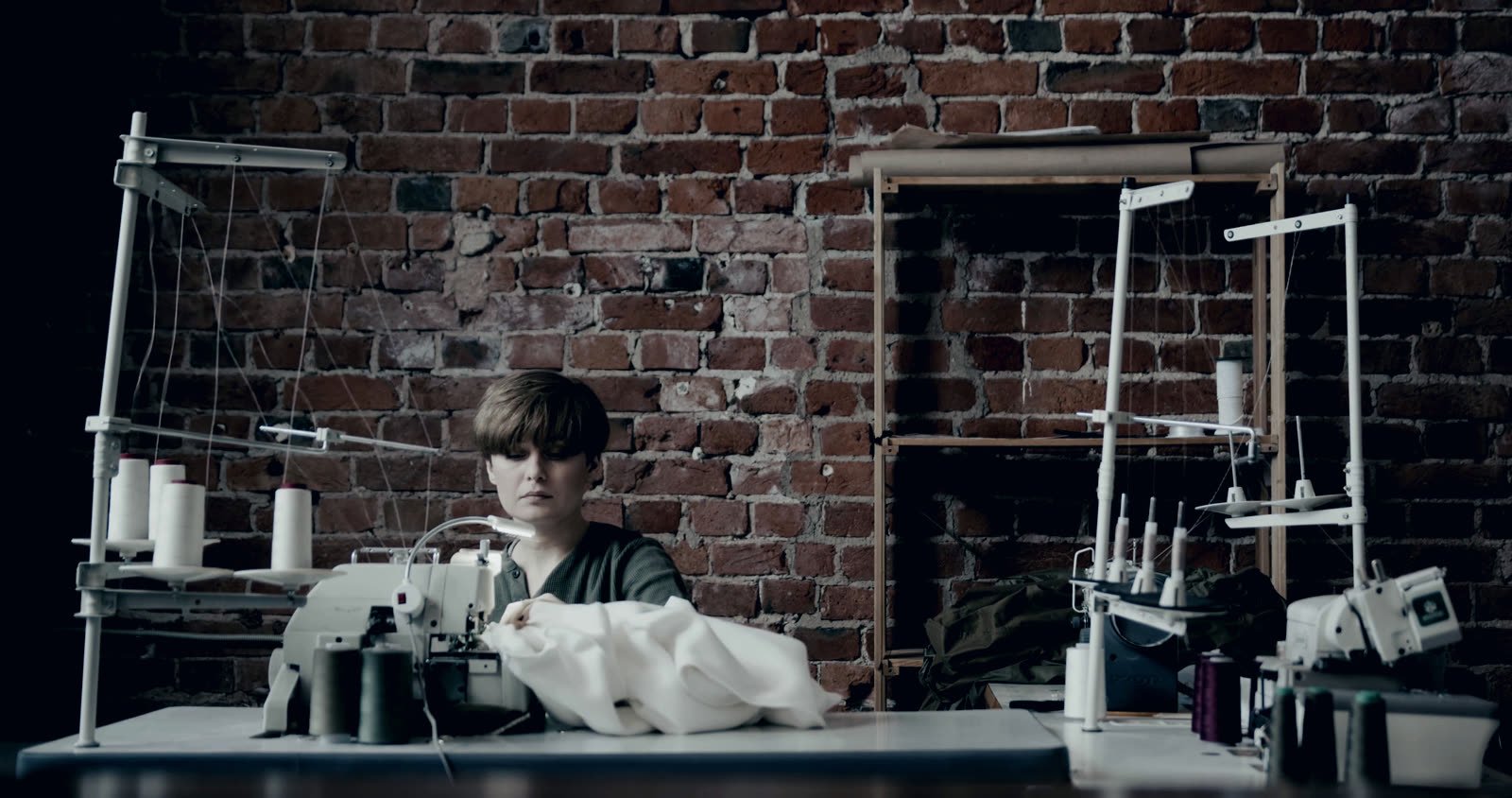
Collar, hem and shoulder seams are sewn on separate machines. Rib tension is checked by hand; a collar sewn too tight puckers in the first wash, while one sewn too loose ripples after a few wears. The right point of this setting is found again for every line, according to the stretch of the fabric.
On zip models, attaching the zip tape to the body requires its own sequence of operations. If the tape does not sit flat, the collar leans to one side when the zip is closed; to prevent this the tape is first fixed with a basting stitch.
Final inspection and packing
Pieces coming off the press are measured on samples drawn from the batch. If body length, chest width or sleeve length fall outside tolerance, the batch goes back. Colour consistency is checked at the same time, because fabrics from different dye lots placed side by side within the same model show an obvious shade difference on the shop shelf.
At the packing stage, the in-carton assortment is arranged according to the order. Because a boutique and a wholesaler do not have the same size distribution, we do not leave this step standard.